The Home Office Essentials Not Worth Buying
A short, opinionated list of the purchases that show up on every home office list and are worth less than their price, and the unglamorous ones that are worth more.
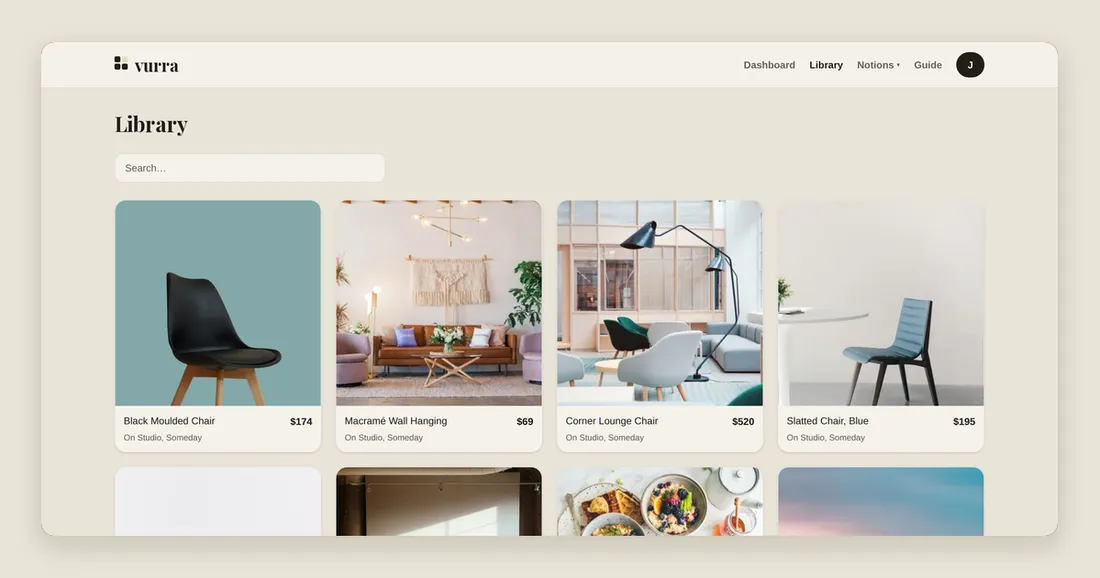
The short version
Skip the standing desk until you have used a converter for a month, the second monitor until you know what you would put on it, and the mechanical keyboard entirely unless you want one. Spend the money on a monitor arm, a task lamp and a door you can close, in that order.
Every home office list is written by someone selling one of the items on it. Here is one that is not, which means it is mostly about what to leave off.
Worth less than it costs
The standing desk, at first. Motorised sit-stand desks cost three to five times a fixed desk, and the measured data on how much people use the standing mode is not flattering. Studies that instrument the desk rather than ask people about it find workers raising it around twice a day, and one that logged electric sit-stand tables during real shifts found 8 to 15 percent of the shift spent standing, with an average of one transition per shift. Self-selected users do better, but the spread is enormous: one study of them found a mean of 36 percent standing time with individuals ranging from under 5 percent to 91.
Which is the actual finding: some people genuinely use it, most do not, and you cannot tell in advance which you are. So buy a fifty dollar desktop converter, use it for a month, and count. If you raised it most days, buy the desk knowing that you will. If you raised it four times, you have saved a great deal of money and learned something about yourself for fifty dollars.
Worth knowing too: prompting works better than furniture. A trial of personalised on-screen reminders took the share of workers changing position at least once a day from 4 percent to 36 percent, which is a larger effect than most people get from the desk alone.
The second monitor, before you know what goes on it. Two screens is a real productivity gain for some work and a distraction machine for the rest. The people it helps can name what lives on the second screen. If you cannot, you are buying a place for a browser to be open.
The mechanical keyboard. This is a hobby, and a good one, but it is a hobby rather than an ergonomic improvement. Nobody’s back hurts because of their keyboard switches. Buy one because you want one, and do not count it as part of setting up an office.
The expensive webcam. Modern laptop cameras are adequate and lighting is the actual variable. A window in front of you beats a two hundred dollar camera lit from behind, and a fifteen dollar lamp bounced off a wall beats both.
The cable management kit. You will use two of the fourteen pieces. Buy some velcro ties.
Worth more than it costs
A monitor arm. The highest value object in a home office and the one that appears on the fewest lists. It gives back the whole footprint of a monitor stand, lets you position the screen at an actual ergonomic height rather than whichever of three heights the stand offers, and pushes the screen back so a shallow desk becomes usable. Check the clamp range against your desk thickness.
A task lamp. Screen work in a dim room is why your eyes hurt at five o’clock. Something with a warm setting and a cool one, aimed at the desk rather than at you.
A door. Not a purchase, but if the choice is between a nicer desk in a shared room and a plain desk in a room with a door, take the door. Everything else on this list is a rounding error next to being able to stop.
A chair you sat in first. Covered at length elsewhere, and it remains the one place the money should go.
Keep the things you ruled out
This is the part that sounds like housekeeping and is not. When you decide against the standing desk, do not delete it. Move it to ruled out and write one line about why.
Six weeks later you will see a standing desk on offer, feel the pull, and have no memory of the reasoning that made you pass. A board that keeps ruled-out items with their reason attached is a record of decisions rather than a shopping list, and it is the difference between deciding once and deciding every time something goes on sale.
It also makes the board honest about what you considered. A list of six things you bought tells you nothing. A list of six things you bought and eleven you did not, each with a sentence, is a plan you can explain to somebody else, or to yourself in a year when you are doing the second room.