Use cases
What people build boards for.
The same board, pointed at different jobs. Each one below has a sample board of that exact kind of collection, and every item on it opens for its details.
Work and learning
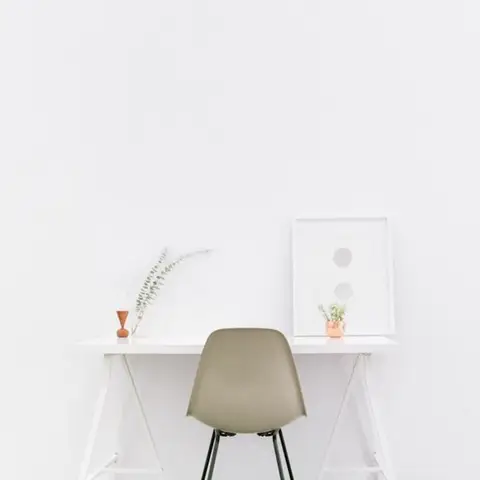 Home officeA desk, a chair and the six things nobody budgets for. How to plan a home office setup against a real number, with the specs that decide each purchase kept on the item.See the board
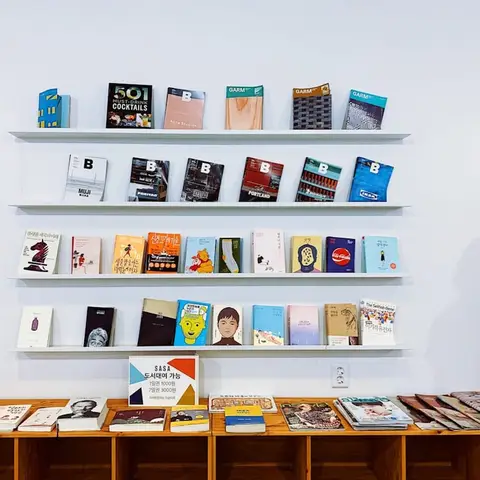 Classroom setupTeachers spend their own money on their rooms, and rarely track it. Plan the room as a board with the cost, whether it is reimbursable and how long it survives thirty children, so the spending is at least visible.See the board
Wardrobe and style
 Capsule wardrobeThirty pieces that go together only work if you can see them together. Plan a capsule wardrobe as a picture, with the fabric, the fit and the cost per wear kept on each piece.See the board
 Kids' clothesChildren outgrow things on their own schedule, and the sales do not care. Plan it as a board organised by the size that comes next, so what is bought ahead is visible and nothing is bought twice.See the board
Travel and outdoors
 Camping kitCamping gear is bought once and carried for years. Plan the kit as a board with the weight, the season rating and the packed size on each piece, so the trade is visible before the card comes out.See the board
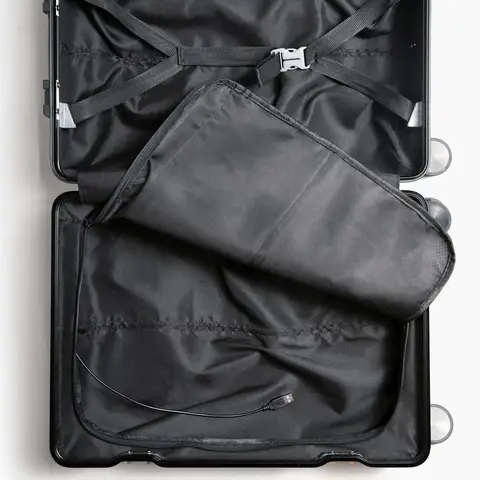 Packing listPacking lists are text, and text is why the charger gets left behind every time. Build the list as pictures with what it is for and whether it is packed, and reuse it for the next trip instead of starting again.See the board
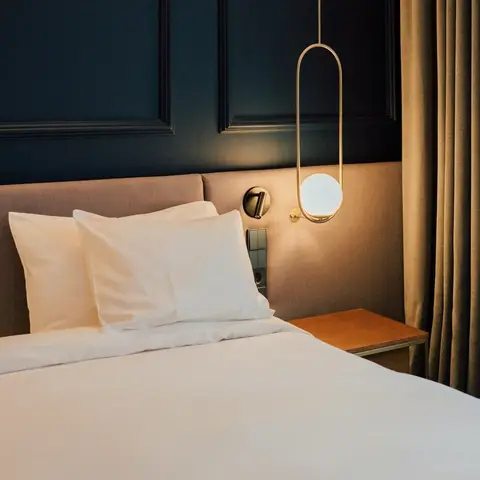 Trip planningBefore a trip is an itinerary it is forty saved links and no shape. Plan it as a board with the neighbourhood, the opening days and the cost on each thing, and let the days assemble themselves once you can see it.See the board
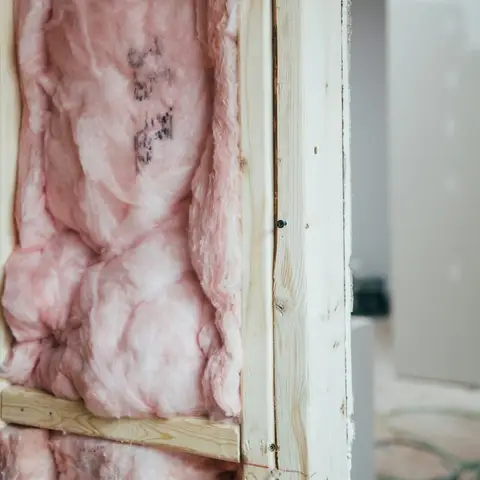 Van conversionA van conversion has a build order that cannot be argued with: insulation before walls, wiring before both. Plan the parts as a board with the stage each belongs to, so nothing arrives three months before it can be fitted.See the board
Making and building
 Espresso setupMost first espresso setups spend on the machine and run out at the grinder, which is the wrong way round. Plan the whole thing as one board with a budget, and see the split before you commit to any of it.See the board
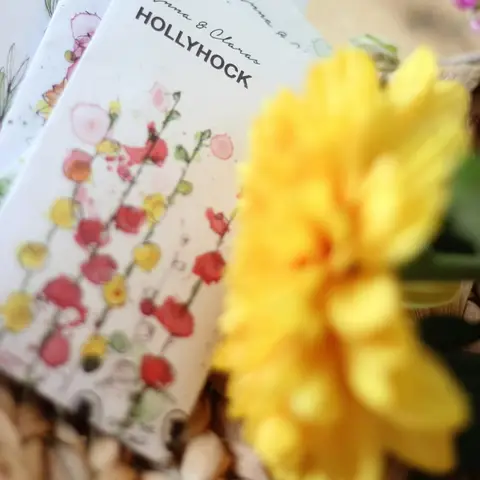 Garden planningA garden is decided by dates you cannot move. Plan the first year as a board with the sowing window, the sun and the spacing on each thing, so what you buy in February is what can actually go in.See the board
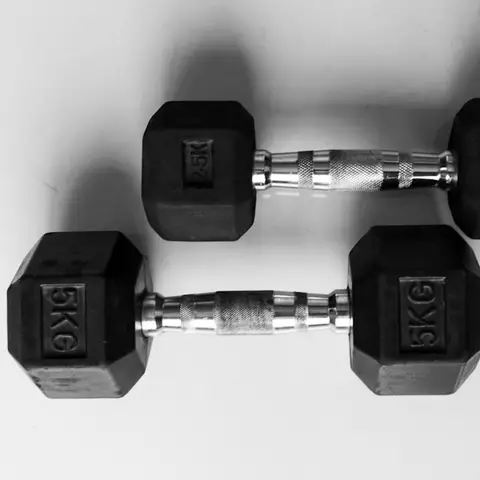 Home gymA home gym is decided by ceiling height, floor loading and how much space is left when it is all out. Plan it as a board with the footprint on every piece, and find the problem before the delivery.See the board
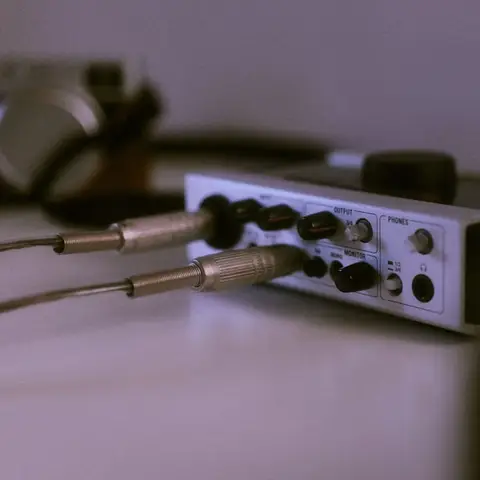 Home studioThe first upgrade most home studios make is the microphone, and it is usually the wrong one. Plan the chain as a board with what each piece connects to and what it replaces, and spend where the difference is audible.See the board
Food and cooking
 Dinner partyA dinner for eight is a scheduling problem wearing a menu. Plan it as a board with what can be done ahead and what needs the oven, and find the clash on Tuesday instead of at seven on Saturday.See the board
 Meal planningMeal planning fails on the overlap: seven meals bought separately means three half-used bags of coriander. Plan the week as a board and let the shared ingredients and the leftovers become visible.See the board
 Recipe collectionYou saved two hundred recipes and cook the same six. A visual board fixes the recognition problem: every recipe as a picture, with the time, the servings and whether anyone liked it kept on the card.See the board
Rooms and spaces
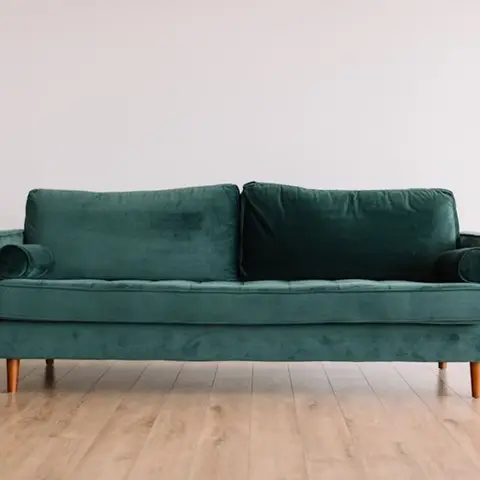 Furnishing a roomA room is bought in pieces over months, from different shops, and it either adds up or it does not. Plan it as one board with the measurements and the colour on every item, and see the room before it arrives.See the board
 Dorm roomYou are buying for a room whose measurements you will not have until you arrive. Plan it as a board split into what is safe to buy now and what waits until you are standing in it, against a real number.See the board
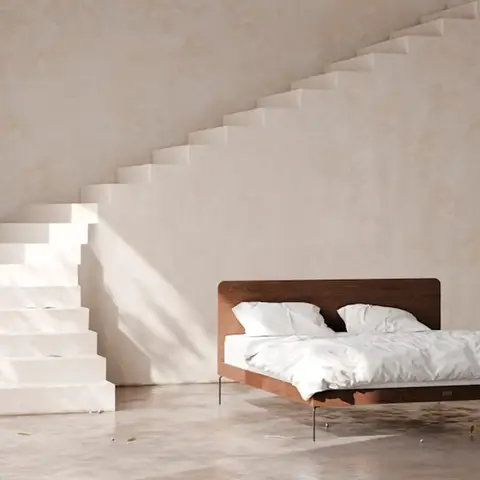 First apartmentThe first flat needs about sixty things and you notice most of them the day you need one. Plan it as a board split into the first night, the first week and the rest, against a number that has to cover all three.See the board
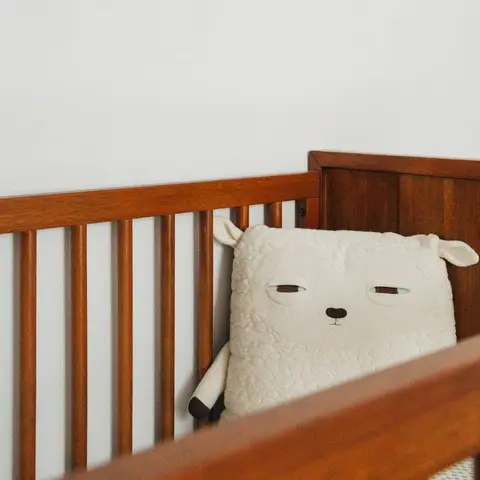 NurseryNursery shopping is loud, and most of the noise is about things that do not matter. Plan the room as a board with the safety standard, the age range and the footprint on each item, and let the rest be taste.See the board
Events and giving
 Gift planningGift ideas arrive in June and are needed in December, and almost nobody writes them down. Keep a board running all year with who each idea is for and what it costs, and stop paying the panic premium.See the board
 Party planningA party at home comes apart on the things nobody thought to count: glasses, chairs, ice, somewhere to put coats. Plan it as a board with how many of each and who is bringing it.See the board
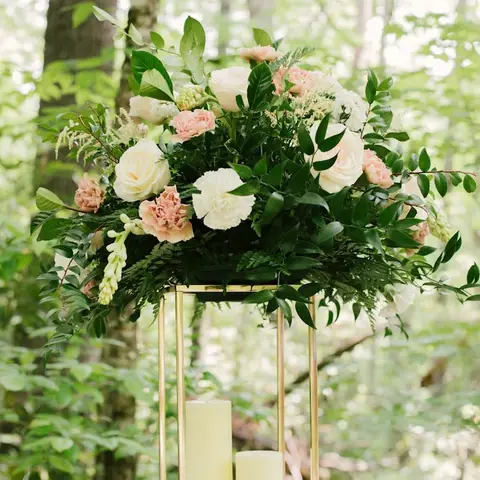 Wedding decorWedding decor is quoted per item and paid per table, and the two numbers are wildly different. Plan it as a board with the quantity and the per-table cost on each thing, and see the real total early.See the board
Moving and property
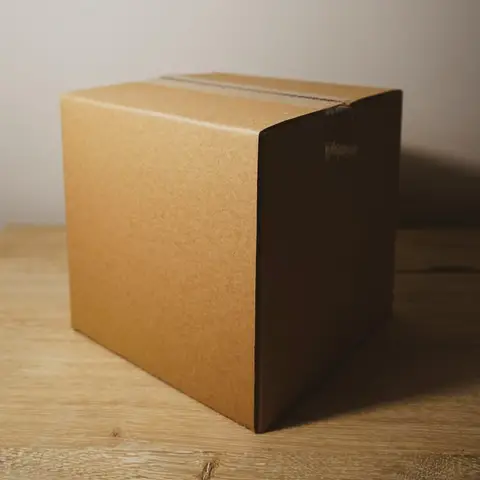 Moving inMoving is a sequence problem. The boxes, the tools, the shower curtain and the bin all matter on different days. Plan it as a board ordered by the day you will need each thing rather than by the shop it comes from.See the board
 RenovationA renovation is a hundred small specifications made under time pressure. Plan them as a board, with the lead time and the room on every item, so nothing is chosen the morning a fitter asks for it.See the board
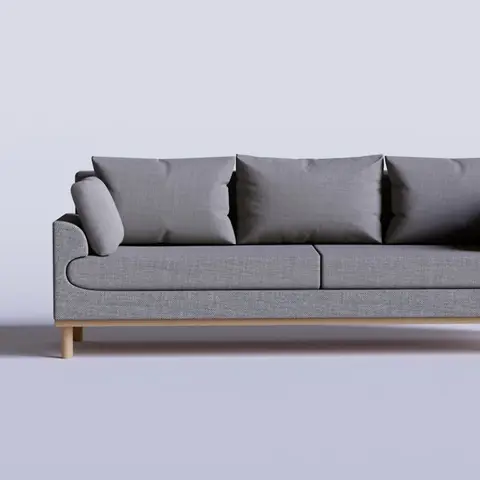 Rental propertyFurnishing a let is not decorating. Everything is judged on what it survives, what it costs to replace and what it does to the nightly rate. Plan it as a board with durability and replacement cost on each item.See the board